
How to Identify and Prevent Fake Delivery Attempts by Courier Partners Logistics & RTO
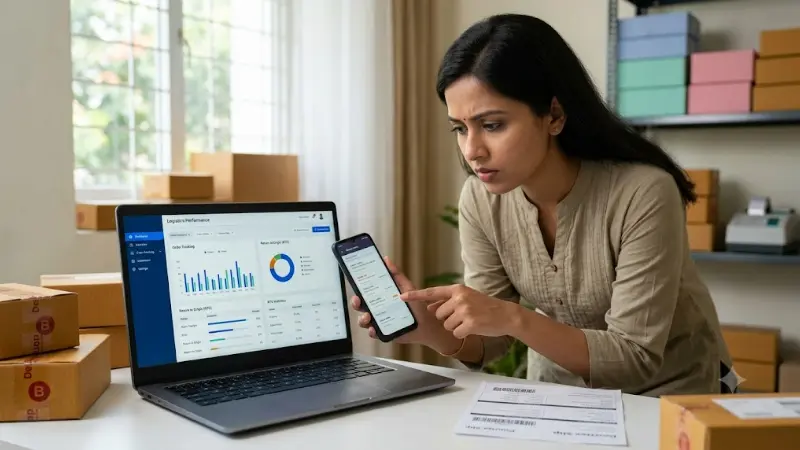
Fake delivery attempts, also known as "non-delivery reports" (NDR), are a significant headache for e-commerce sellers in India. They lead to high "Return to Origin" (RTO) rates, increasing operational costs, damaging customer relationships, and impacting overall profitability. Easyfit AI, designed for Indian e-commerce sellers, recognizes this crucial challenge. This guide provides actionable strategies to identify and prevent these costly occurrences.
Understanding Fake Delivery Attempts
A fake delivery attempt happens when a courier partner falsely claims a delivery was attempted but failed, often due to reasons like "customer not available" or "incorrect address." In reality, the delivery executive might not have even visited the address. This is a common issue in India's complex logistics landscape.
Identifying Fake Delivery Attempts
-
Analyze Tracking Updates:
- Inconsistent Timing: Look for updates that seem illogical, such as multiple delivery attempts within minutes or updates at unusual times (very late at night).
- Generic Status: Be cautious of vague or highly repetitive status updates like "Delivery Attempted - Customer Not Available" across different orders or carriers.
- Frequent "Not Found" or "Refused": If a specific area or customer consistently has "address not found" or "delivery refused" statuses, it warrants investigation.
-
Monitor RTO Patterns:
- High RTO by Carrier/Region: Use analytics to identify which courier partners or geographical areas have exceptionally high RTO rates. This often points towards logistics issues rather than actual customer behavior.
- Short Time to RTO: If orders are being marked for RTO very quickly after the first "failed" attempt, it's a strong indicator of fake attempts. Standard procedure usually involves multiple attempts.
-
Cross-Reference Customer Feedback:
- Proactive Outreach: Don't just wait for complaints. Contact customers whose orders are marked as "failed attempt." Ask if they were contacted by the delivery executive.
- Analyze Support Tickets: Pay close attention to customer complaints about non-delivery despite being available.
-
Utilize Technology (Like Easyfit AI's Integrations):
- Leverage Logistics Dashboard: If your platform, like Easyfit AI with its Shiprocket integration, provides a consolidated logistics dashboard, use it to track real-time updates and compare performance across carriers.
- Check Proof of Delivery (POD): For suspicious cases, demand proof of delivery attempt, such as a signature or a photo. Be aware that even PODs can sometimes be forged, but it's an initial check.
Preventing Fake Delivery Attempts
-
Implement Robust Order Verification:
- Address Verification: Use address verification tools during checkout to minimize "incorrect address" claims. Easyfit AI's storefront features can help here.
- Phone Number Validation: Ensure valid mobile numbers are captured.
- WhatsApp/SMS Confirmation: Send automated order confirmation messages via tools like Easyfit AI's WhatsApp integration. This helps ensure the customer is reachable and expecting the delivery.
-
Enhance Customer Communication:
- Proactive Shipping Updates: Send regular updates at each stage (dispatched, in transit, out for delivery). Use WhatsApp alerts and email notifications for seamless updates.
- Pre-Delivery Alerts: Encourage courier partners to send SMS or WhatsApp alerts to customers on the day of delivery, often including the delivery executive's contact number.
- Delivery OTP: Encourage the use of delivery OTPs, especially for high-value orders, to ensure the customer is present.
-
Manage Logistics Partners Effectively:
- Performance Monitoring: Regularly review courier partner performance based on key metrics like RTO%, average delivery time, and NDR resolution rate.
- Hold Courier Partners Accountable: Have clear service level agreements (SLAs) regarding delivery attempts and NDR handling.
- Escalation Process: Establish a robust process for escalating disputed NDRs and fake delivery attempts.
- Diversify Logistics Providers: Don't rely on a single courier partner. Use aggregators like Shiprocket (supported by Easyfit AI) to switch between carriers based on region and performance.
-
Streamline NDR Handling:
- Rapid Response: Act immediately on NDR alerts. Use your platform to quickly reconfirm addresses, contact details, or preferred delivery times with the customer.
- Re-attempt Requests: Promptly request re-attempts after resolving issues or confirming details.
- Incentivize Deliveries: Some e-commerce sellers explore ways to indirectly incentivize logistics personnel for successful deliveries, though this requires careful management.
Leverage Easyfit AI to Combat Fake Deliveries
Easyfit AI is not just an AI trial room; it's designed to help Indian e-commerce sellers thrive in a challenging market. Features that directly help combat logistics issues include:
- Integrated Order Management: Centralize all your orders and their logistics status.
- Shiprocket Integration: Effortlessly manage multiple courier partners and track orders.
- WhatsApp & Email Notifications: Enhance customer communication throughout the delivery process.
- Analytics Dashboard: Monitor key business metrics, including potential RTO indicators.
By combining proactive strategies with the power of a comprehensive e-commerce platform like Easyfit AI, you can significantly reduce the impact of fake delivery attempts, lower your RTO costs, and build stronger trust with your customers.
Focus on efficiency and customer satisfaction to grow your online store with Easyfit AI.
Ready to take action?
Start implementing the exact methods outlined in this guide.
Try Easyfit AI for ₹599/month