
Packaging Sarees & Ethnic Wear to Survive Long-Haul Domestic Transit & RTO: 5 Proven Tips for Indian E-commerce Sellers
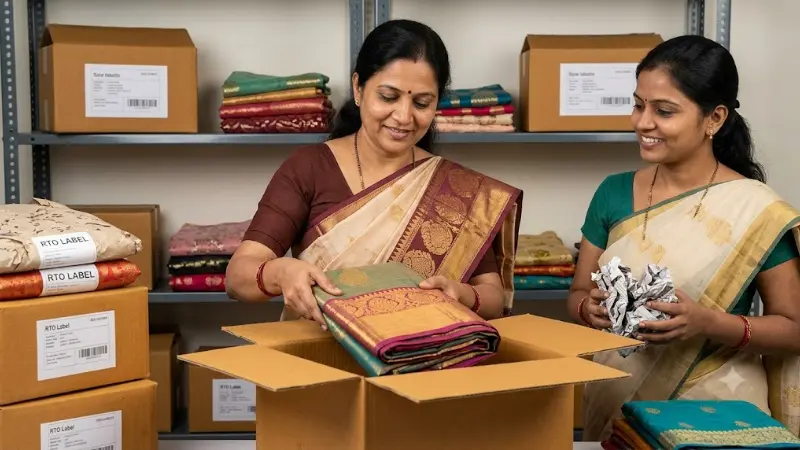
Navigating the complexities of long-haul domestic transit in India is a major challenge for e-commerce sellers specializing in sarees and intricate ethnic wear. Your beautiful garments travel immense distances, facing potentially harsh handling, varied climatic conditions, and the ever-present threat of Return-to-Origin (RTO). Ensuring they arrive in pristine condition is critical for customer satisfaction and your bottom line.
Here are five proven packaging strategies to safeguard your sarees and ethnic wear during their long journey:
1. Master the Multi-Layer Defense
Don't rely on a single outer box. A robust multi-layer approach is crucial.
- Initial Garment Wrap: First, wrap the folded saree or ethnic piece carefully in acid-free tissue paper or a soft, thin plastic sleeve. This prevents snags and maintains the garment's fold.
- Secondary Inner Layer: Place the wrapped garment inside a well-fitting, sturdy corrugated box or a high-quality polybag (if acceptable for the item type). Ensure minimal empty space to prevent shifting during transit.
- Outer Protective Layer: Insert the inner package into a strong, correctly sized outer corrugated shipping box. Avoid overly large boxes as this increases movement. Fill any remaining voids with appropriate cushioning (see Tip 2).
2. Strategic Cushioning is Non-Negotiable
Proper padding absorbs shocks and prevents crushing, especially critical for delicate fabrics and embellishments.
- Void Fill: Fill all empty spaces within the outer box. Use lightweight materials like crumpled kraft paper, air pillows, or appropriately sized bubble wrap (consider eco-friendly alternatives). Do not overstuff to the point of bulging.
- Edge & Corner Protection: Pay special attention to corners and edges, which are most vulnerable. Corner protectors or extra cushioning in these areas provide crucial reinforcement.
- Product-Specific Padding: For delicate items like heavily embroidered lehengas or sarees with delicate borders, consider using soft foam sheets or specialized packaging inserts for tailored protection.
3. Opt for Durable & Correct Sizing
Using the right-sized box and durable materials significantly reduces the risk of damage.
- Fit is Key: Choose a box that snugly accommodates your multi-layered package without excessive empty space. Too much room allows for movement and potential damage.
- Durable Corrugation: Opt for high-quality, crush-resistant corrugated cardboard boxes. Look for appropriate "crush test" ratings suitable for your product's weight and the distance it will travel.
- Reinforced Seams: Ensure all seams and flaps are securely taped using high-quality packing tape. Consider reinforcing corners and edges for extra strength.
4. Invest in Professional Branding & Clear Labeling
Professional packaging builds trust and ensures efficient handling.
- Clear Addressing: Double-check all shipping labels for accuracy and legibility. Use clear fonts and protect the label from moisture or damage.
- Branded Experience: Even inner packaging can reflect your brand. Use branded tissue paper, stickers, or thank-you notes for a positive unboxing experience. Remember, a positive first impression starts even before the item is fully unpacked.
- Handling Instructions: Consider using clear "Fragile" or "Handle with Care" labels if appropriate for the contents. While not always a guarantee, it alerts carriers to be more mindful.
5. Regular Quality Checks & Feedback Loop
Consistently monitor your packaging performance.
- Internal Testing: Conduct drop tests or simulate transit conditions internally to assess the effectiveness of your packaging methods.
- Customer Feedback: Pay close attention to customer feedback regarding packaging condition upon arrival. Identify recurring issues and adapt accordingly.
- RTO Analysis: Analyze RTO cases specifically related to packaging damage. Determine if changes in materials or techniques are needed to reduce these costly returns.
Conclusion:
By implementing these five proven techniques, you can significantly increase the chances of your sarees and ethnic wear surviving the rigors of long-haul domestic transit and minimizing expensive RTO. Remember, durable and thoughtful packaging isn't just an added expense; it's an essential investment in protecting your products, enhancing customer satisfaction, and building a strong, reliable brand reputation.
Ready to take action?
Start implementing the exact methods outlined in this guide.
Start Your Easyfit AI Showroom for Just 599₹/Month