
The Future of Retail in Tamil Nadu: Why Local Boutiques Are Going Digital
The Future of Retail in Tamil Nadu: Why Local Boutiques Are Going Digital
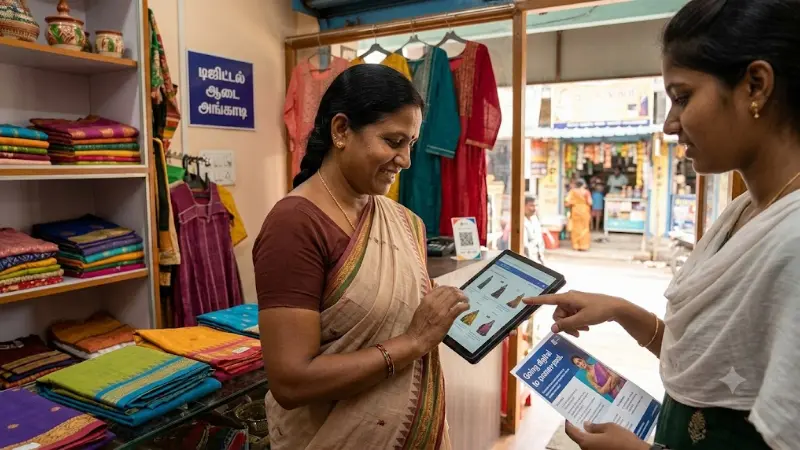
Tamil Nadu, a state known for its rich cultural heritage and thriving textile industry, is witnessing a significant shift in its retail landscape. From the bustling streets of Chennai to the textile hubs of Coimbatore and Madurai, local boutiques are increasingly turning to digital solutions to not only survive but also thrive in an increasingly competitive market.
Historically, these small, independent shops have relied on foot traffic and word-of-mouth recommendations. However, a combination of factors is driving them towards e-commerce and digital adoption.
Why the Shift is Happening
The primary driver is the changing consumer behavior. More people are shopping online than ever before, driven by the convenience, variety, and competitive pricing offered by major e-commerce platforms. For a local boutique, being absent online means missing out on a massive pool of potential customers, even within their own city.
Competition from large-scale national and international brands is another significant challenge. These brands have vast resources for marketing, logistics, and technology, making it difficult for independent stores to compete solely on physical presence.
Furthermore, the recent pandemic highlighted the vulnerability of purely brick-and-mortar models. Boutiques that had already established a digital footprint were better positioned to weather the storm by offering online ordering, home delivery, and contactless payments.
The Benefits of Going Digital
Digitalization offers numerous advantages for local boutiques in Tamil Nadu:
- Expanded Reach: A digital storefront breaks geographical barriers, allowing a boutique in Tiruppur to sell to a customer in Nagercoil or even beyond the state.
- Enhanced Customer Engagement: Social media platforms and e-commerce websites enable boutiques to connect directly with their customers, showcase new collections, and build a loyal community.
- Data-Driven Insights: Online platforms provide valuable data on customer preferences, popular products, and sales trends. This information helps in making informed decisions about inventory management, marketing strategies, and product development.
- Operational Efficiency: Digital tools like inventory management software, point-of-sale (POS) systems, and integrated payment gateways can streamline operations and reduce manual errors.
- New Revenue Streams: E-commerce opens up additional revenue streams through online sales, subscriptions, and even collaborations with other online businesses.
Challenges and the Way Forward
Despite the benefits, the transition to digital is not without challenges. Many local boutique owners lack the technical expertise, digital marketing skills, and financial resources to build and maintain a robust online presence. Logistical complexities, shipping costs, and competition from established e-commerce giants can also be daunting.
However, the future is bright. The growing availability of user-friendly e-commerce platforms, affordable digital marketing services, and government initiatives aimed at supporting small businesses are lowering the barriers to entry.
Technology plays a crucial role in this transformation. Solutions that simplify e-commerce operations, such as integrated platforms that manage everything from product listings to shipping, are in high demand. One such innovation is Easyfit AI, an AI-powered e-commerce tool designed specifically for small and medium-sized retail businesses. It leverages artificial intelligence to help boutiques optimize their online stores, personalize customer experiences, and improve sales conversions.
Conclusion
The future of retail in Tamil Nadu lies in a hybrid model that seamlessly integrates physical and digital channels. Local boutiques that embrace technology, focus on their unique strengths—such as personalized service and curated collections—and prioritize customer experience will be well-equipped to navigate the evolving retail landscape and achieve sustainable growth. The digital transformation is not just a trend; it is a necessity for the survival and success of local retail in the modern era.